

Artificial intelligence, cyber insurance, and climate-driven catastrophe risk will shape the insurance market more than any other forces in 2026, according to new projections from GlobalData and Beinsure reports. The forecast comes from the firm’s annual outlook on insurance sector trends, released this month.
Insurers that manage to lead on these three fronts should see stronger results, better products, and sharper customer outcomesBen Carey-Evans, senior insurance analyst at GlobalData
He described AI as the dominant technology theme in insurance right now. No real debate there.
What changed in 2025 was speed. The rise of so-called agentic AI pushed the technology beyond automation and into live decision-making.
These systems react to real-time inputs and make judgement-like choices, which is why their influence is already visible across underwriting, claims, and distribution. Carey-Evans expects that effect to accelerate in 2026. Fast.
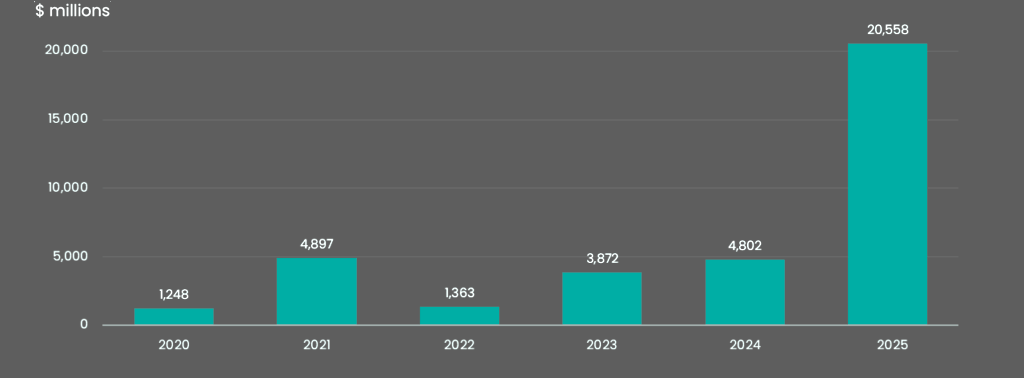
Deal activity followed the hype, then outpaced it. The total value of AI-focused M&A in insurance jumped 328% in 2025, while deal volume rose 125%.
Generative AI played a role, but agentic AI drove much of the interest. GlobalData said the same pattern showed up across its transaction, jobs, and company filings databases.
As generative AI changes the way companies do business, it is creating new risks and new causes of loss that impact not only the companies themselves but also their business partners such as third-party vendors and digital supply chains.
The analysis highlights AI’s potential to amplify systemic risks, such as through polymorphic malware or AI-targeted data breaches, while also providing a framework to quantify these emerging threats.
Leveraging the cyber kill chain model, the report underscores the urgency for insurers to adapt to AI-driven threats, balancing innovation with robust risk mitigation strategies.
Generative artificial intelligence is considered one of the most important technological breakthroughs of the last few decades. Munich Re Group sees great opportunities for insurers – if they explore the possibilities of the new technology and understand its risks.
There are many ways organizations could revolutionize their respective industries by applying Gen AI to routine business functions. For example, in insurance, Gen AI can assist underwriters evaluating risks by analyzing vast amounts of data, including historical claims, customer information and internal/external cybersecurity factors.