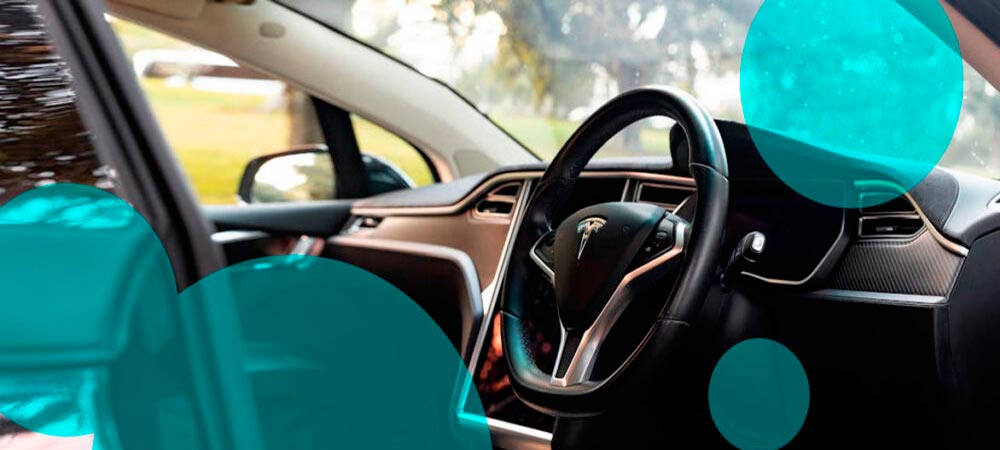
Insurtech Lemonade has launched Lemonade Autonomous Car insurance, a product built specifically for self-driving vehicles and initially available to drivers using Tesla Full Self-Driving software.
The insurtech positions the offering as a category-first policy priced around autonomous behaviour rather than traditional driver assumptions.
The product reduces per-mile rates by roughly 50% when FSD is engaged, reflecting internal data showing materially lower risk during autonomous operation.
Lemonade expects rates to move further as Tesla releases new FSD software versions, which the company anticipates will continue to reduce accident frequency over time.
According to Beinsure analysts, insurers rarely tie pricing this directly to software evolution.
The launch follows a technical collaboration with Tesla that provides Lemonade access to vehicle-level data not previously available to insurers.
That data feeds directly into Lemonade’s usage-based risk models, allowing the company to separate autonomous driving risk from human driving risk and to price exposure based on factors such as FSD software version, sensor performance, and driving context.
Shai Wininger, co-founder and president of Lemonade, said traditional insurers treat Teslas no differently than conventional vehicles and treat AI systems as if they were human drivers.
He said vehicles operating with 360-degree visibility, millisecond reaction times, and no fatigue present a fundamentally different risk profile that legacy pricing models fail to reflect.
Traditional insurers treat a Tesla like any other car, and AI like any other driver. But a car that sees 360 degrees, never gets drowsy, and reacts in milliseconds can’t be compared to a human.Shai Wininger, co-founder and president at Lemonade
Wininger said Lemonade’s existing pay-per-mile product provided a foundation built around large-scale, real-world driving data rather than static rating tables. That infrastructure, he said, allowed the company to extend pricing logic naturally into autonomous driving without rebuilding its technology stack.