
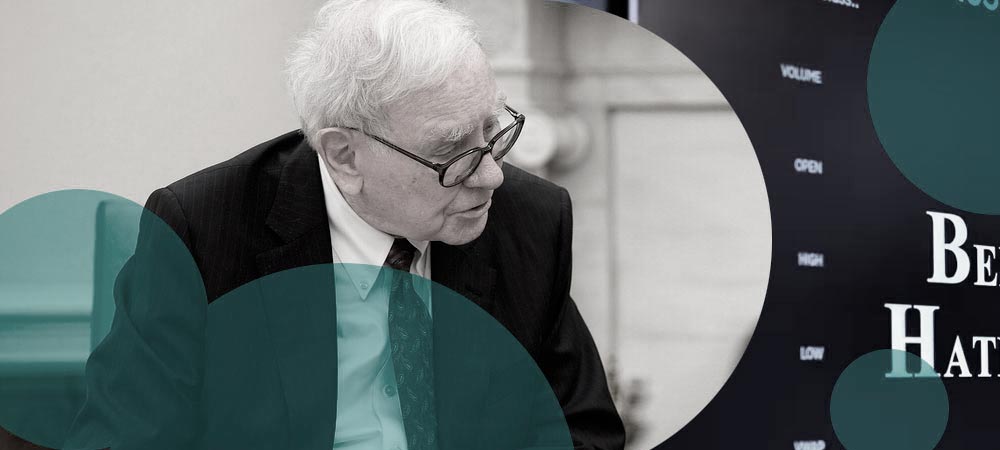
Warren Buffett, an American investor, the “Oracle of Omaha” – business leader, and philanthropist, best known as chairman, officially stepped down as CEO of Berkshire Hathaway, ending a run that reshaped modern insurance economics, and handing the reins of the multinational conglomerate to his hand-picked successor, Greg Abel.
Abel, 63, is taking the helm of Berkshire after Buffett, 95, spent six decades transforming a struggling textile manufacturer into one of the world’s most successful companies.
As the new CEO, Abel will be tasked with upholding Berkshire’s decentralized model while guiding it into a new era of growth.
In recent years, that growth has slowed as the company has ballooned in size, making it harder to find large, meaningful acquisition targets.
What began with an $8.6 mn insurance acquisition in 1967 now sits inside a conglomerate holding more than $1 tn in net non-banking assets.
His influence across insurance has been hard to miss. Berkshire controls roughly 90 insurers, including GEICO, Alleghany, General Re, National Indemnity and Berkshire Hathaway Guard, along with Specialty and Life Insurance of Nebraska. Outside homeowners, it’s difficult to find a major insurance line where Berkshire doesn’t matter.
Buffett’s imprint isn’t limited to balance sheets. Half a century ago, he introduced the term social inflation, describing it as society’s expanding view of what insurance should cover.
He blamed that shift for rising claims costs as early as 1978. The phrase stuck. It still rattles underwriters today.
He’s also been blunt about climate risk. After the 2025 Los Angeles wildfires generated an estimated $1.3 bn loss for Berkshire, Buffett said the company wasn’t fazed by growing loss payments.
Pricing, he argued, must absorb reality, surprises included. Climate change, in his words, may already have announced itself. Worse losses will come. Maybe more than one in a year.
In what became his final annual shareholder letter in February 2025, Buffett returned to a familiar theme. Pricing P&C insurance, he said, blends art with science.
Berkshire, he argued earlier, built insurance operations capable of handling catastrophes in ways others can’t easily copy. Replicating the structure would be almost impossible. He said that years ago. He hasn’t softened since.
The company still carries a cost advantage that Buffett calls material and enduring. A big reason sits in reinsurance independence.
Financially and psychologically, Berkshire can absorb extreme losses without blinking, at least in his telling. Operating insurance units today hold Best’s Financial Strength Ratings between A++ and A-.